

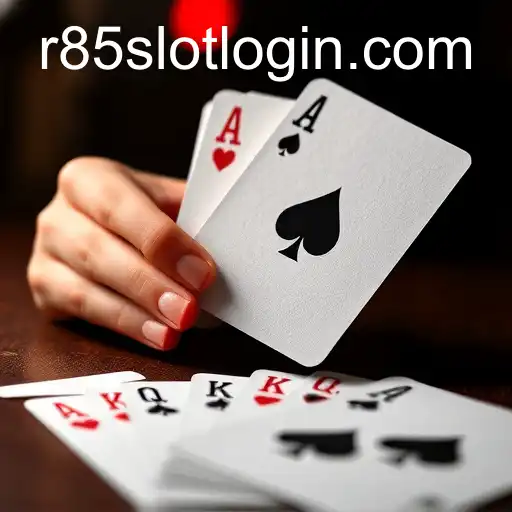
Exploring the Strategic Card Game: Napoleon
The Strategic Card Game: Napoleon
The world of card games has always been a fascinating realm engaging players with tactical gameplay and opportunities for strategic thinking. One such game that has captivated players for generations is Napoleon. Named after the famous French military leader, this game embodies the essence of leadership, strategy, and cunning play.
Introduction to Napoleon
Napoleon is a trick-taking card game that blends skill, luck, and strategy into a compelling experience. Originating from France, it gained popularity during the Napoleonic Wars, expanding its reach across Europe and eventually overseas. Designed for three to six players, Napoleon is a distinctive game that offers a unique twist compared to other traditional card games.
The objective is simple yet challenging. Players aim to win as many tricks as possible, with one player acting as the declarer, also known as 'Napoleon,' who attempts to fulfill a self-declared number of tricks. The opponent's role is to prevent Napoleon from reaching their target, providing an interactive and competitive gaming experience.
Game Rules and Mechanics
Setup and Structure
The game uses a standard 52-card deck, or in some variations, a deck with jokers for added complexity. The dealer shuffles the deck and distributes the cards, ensuring each player receives an equal number. Depending on the number of participants, 5-15 cards may be set aside.
The Bidding Phase
The game begins with a bidding phase where players declare the number of tricks they aim to win. The player with the highest bid becomes Napoleon for that round. If no one bids higher than a preset threshold (often three tricks), the hand is reshuffled and dealt again.
The Gameplay
Napoleon plays the first card, setting the trump suit for that round, a crucial strategic component. Players must follow suit where possible, but if they can't, they may play any card. The trick is won by the highest trump card or, failing that, by the highest card of the suit led.
Scoring
At the end of each round, scores are tallied based on the success of Napoleon in meeting their declared number of tricks. If successful, Napoleon scores points; if not, points are subtracted. The game continues until a player reaches a predetermined score threshold.
Current Trends and Napoleon's Relevance
In today's digital age, traditional games like Napoleon are enjoying a resurgence. Platforms such as R85.COM have introduced digital versions, drawing in new players with online accessibility and interactive features. The game’s historical significance combined with modern technology appeals to a diverse audience eager to explore classic yet engaging challenges.
Napoleon's increasing popularity is partly due to its strategic depth and social interaction elements, which provide an excellent alternative to solo digital distractions. Online communities and forums have sprung up, creating spaces for enthusiasts to share strategies and tips.
The appeal of games like Napoleon lies in their adaptability and timeless nature. Whether playing in person or online, they offer entertainment and opportunities for strategic thinking. As interest in tabletop and card games grows, enhanced by digital platforms, Napoleon stands out as a testament to the longevity and adaptability of traditional gaming experiences.


Google Sitemap